
Your Service Promise Headline Goes Here
A short description/blurb goes here to elaborate on the service, and promote the call to action below.
What We Can Do For You
A few of the services we offer...
Service or Benefit #1
Describe your service, and/or benefit right here. Just click, and type to edit.
Service or Benefit #2
Describe your service, and/or benefit right here. Just click, and type to edit.
Service or Benefit #3
Describe your service, and/or benefit right here. Just click, and type to edit.
Ready to Get Started?
ABOUT
Write a little information about yourself and/or the business here, along with a few bullet points of why you stand from others.
Credibility factor lorem ipsum
Authority stats and other lorem ipsum
Results and experience lorem ipsum
WHAT THEY SAY

Recent Tips & Updates
Check out our latest posts from our blog...
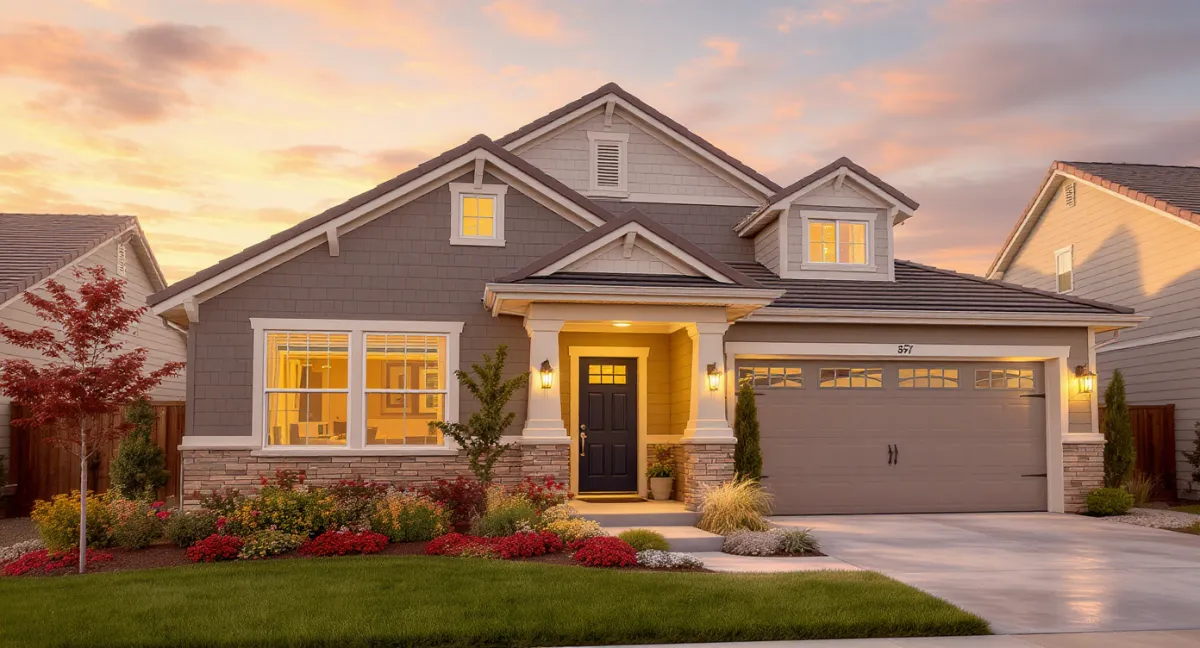
Wags’ Top 3 Tips to Maximize Your Home’s Value Before Selling
Want to sell for top dollar without spending a fortune? Here's how.
Making Every Dollar Count
Over the years, I've seen sellers pour money into updates that buyers don't even notice. I've also seen $200 fixes that made homes sell thousands higher. That's why I always walk my clients through the right improvements, ones that give them the biggest bang for their buck.
When you're preparing to sell, the goal isn't to spend the most money but to spend it wisely. The difference between a home that sits on the market and one that sells quickly for top dollar often comes down to strategic, targeted improvements that buyers actually care about.
Tip 1: Focus on Simple, High-ROI Updates
Fresh paint, updated light fixtures, and curb appeal tweaks make a big impact without breaking the bank. These are low-cost but high-perceived-value changes that can significantly influence how buyers view your home.
A gallon of paint can do more for your sale price than you'd think. The same goes for swapping out old light fixtures or adding fresh mulch out front. These are small changes that scream "well cared for" to buyers.
Quick fixes that improve first impressions set the tone for the whole showing. When potential buyers pull up to your home, those first few seconds matter tremendously. Clean landscaping, a freshly painted front door, and good exterior lighting create positive momentum that carries through the entire tour.
According to the National Association of Realtors, exterior paint projects can recover up to 51% of their cost at resale, and landscaping improvements can add 5-10% to your home's value.
Other high-ROI updates include:
Replacing outdated hardware on cabinets and doors
Deep cleaning carpets or refinishing hardwood floors
Updating bathroom fixtures and mirrors
Adding modern house numbers and mailbox
Power washing the exterior and driveway
Tip 2: Know What Buyers Care About Right Now
Tastes change, and what was trendy 5 years ago might be outdated now. Understanding current buyer priorities helps you focus your improvement dollars where they'll have the most impact.
Right now, buyers are looking for homes they can move into without a long to-do list. That means clean, neutral colors, updated kitchens and baths, and no major repairs needed.
Current buyer priorities often include:
Move-in readiness: Buyers want to unpack, not renovate
Neutral colors: Beige, gray, and white tones appeal to the widest audience
Updated kitchens and bathrooms: These rooms sell homes
Good storage solutions: Organized closets and functional spaces
Energy efficiency: Modern windows, updated HVAC systems, and smart thermostats.
The key is to avoid over-customizing for personal taste. What you love might not resonate with buyers. Keeping finishes neutral and contemporary ensures your home appeals to the broadest possible buyer pool.
According to recent data, minor kitchen remodels can recoup about 72% of their cost, and bathroom remodels can return approximately 58%.
Tip 3: Avoid Wasting Money on the Wrong Improvements
Some big-ticket upgrades don't return their cost, and knowing which ones to skip can save you thousands.
I've seen sellers spend $20,000 on a remodel that buyers end up ripping out. Pools, luxury appliances, or over-the-top landscaping might not appeal to all buyers and can actually narrow your buyer pool rather than expand it.
Improvements that often don't pay off include:
Installing a swimming pool (can actually deter some buyers)
High-end, professional-grade appliances (most buyers won't pay extra)
Overly customized spaces (home theaters, wine cellars in mid-range homes)
Extensive landscaping projects beyond basic curb appeal
Luxury upgrades that exceed neighborhood standards
Let a pro guide you before you spend. That's why I create a custom "to-do" list for my clients, so every dollar goes toward changes that actually help them sell for more.
When I work with sellers, I assess:
Your home's current condition and market position
What similar homes in your neighborhood offer
Your budget and timeline
Which improvements will attract your specific buyer demographic
The return on investment for each potential upgrade
This personalized approach ensures you're not over-improving or under-preparing your home for sale. You get a clear roadmap of exactly what to do, in what order, and approximately what it should cost.
Ready to Make Your Move?
If you're thinking about selling and want to know which updates will give you the best return, send me a message. I'll help you make a custom plan so you can sell smarter, not harder.
Want even more insider knowledge? Download my free Ultimate Guide to Buying and Selling a Home Whether you're selling your current home, buying your next one, or doing both, this guide walks you through every step with clarity and confidence.

Let's Connect!
Here are a few ways you can get in touch...
(248) 640-4722
www.michaelwagnersellshomes.com
12141 Francesca Dr, Grand Blanc Michigan 48439


Michael Wagner (Cancelled) | Privacy Policy
Read Our Latest Blogs
Lorem ipsum dolor sit amet, consectetur adipiscing elit.
Wags’ Top 3 Tips to Maximize Your Home’s Value Before Selling
Want to sell for top dollar without spending a fortune? Here's how.
Making Every Dollar Count
Over the years, I've seen sellers pour money into updates that buyers don't even notice. I've also seen $200 fixes that made homes sell thousands higher. That's why I always walk my clients through the right improvements, ones that give them the biggest bang for their buck.
When you're preparing to sell, the goal isn't to spend the most money but to spend it wisely. The difference between a home that sits on the market and one that sells quickly for top dollar often comes down to strategic, targeted improvements that buyers actually care about.
Tip 1: Focus on Simple, High-ROI Updates
Fresh paint, updated light fixtures, and curb appeal tweaks make a big impact without breaking the bank. These are low-cost but high-perceived-value changes that can significantly influence how buyers view your home.
A gallon of paint can do more for your sale price than you'd think. The same goes for swapping out old light fixtures or adding fresh mulch out front. These are small changes that scream "well cared for" to buyers.
Quick fixes that improve first impressions set the tone for the whole showing. When potential buyers pull up to your home, those first few seconds matter tremendously. Clean landscaping, a freshly painted front door, and good exterior lighting create positive momentum that carries through the entire tour.
According to the National Association of Realtors, exterior paint projects can recover up to 51% of their cost at resale, and landscaping improvements can add 5-10% to your home's value.
Other high-ROI updates include:
Replacing outdated hardware on cabinets and doors
Deep cleaning carpets or refinishing hardwood floors
Updating bathroom fixtures and mirrors
Adding modern house numbers and mailbox
Power washing the exterior and driveway
Tip 2: Know What Buyers Care About Right Now
Tastes change, and what was trendy 5 years ago might be outdated now. Understanding current buyer priorities helps you focus your improvement dollars where they'll have the most impact.
Right now, buyers are looking for homes they can move into without a long to-do list. That means clean, neutral colors, updated kitchens and baths, and no major repairs needed.
Current buyer priorities often include:
Move-in readiness: Buyers want to unpack, not renovate
Neutral colors: Beige, gray, and white tones appeal to the widest audience
Updated kitchens and bathrooms: These rooms sell homes
Good storage solutions: Organized closets and functional spaces
Energy efficiency: Modern windows, updated HVAC systems, and smart thermostats.
The key is to avoid over-customizing for personal taste. What you love might not resonate with buyers. Keeping finishes neutral and contemporary ensures your home appeals to the broadest possible buyer pool.
According to recent data, minor kitchen remodels can recoup about 72% of their cost, and bathroom remodels can return approximately 58%.
Tip 3: Avoid Wasting Money on the Wrong Improvements
Some big-ticket upgrades don't return their cost, and knowing which ones to skip can save you thousands.
I've seen sellers spend $20,000 on a remodel that buyers end up ripping out. Pools, luxury appliances, or over-the-top landscaping might not appeal to all buyers and can actually narrow your buyer pool rather than expand it.
Improvements that often don't pay off include:
Installing a swimming pool (can actually deter some buyers)
High-end, professional-grade appliances (most buyers won't pay extra)
Overly customized spaces (home theaters, wine cellars in mid-range homes)
Extensive landscaping projects beyond basic curb appeal
Luxury upgrades that exceed neighborhood standards
Let a pro guide you before you spend. That's why I create a custom "to-do" list for my clients, so every dollar goes toward changes that actually help them sell for more.
When I work with sellers, I assess:
Your home's current condition and market position
What similar homes in your neighborhood offer
Your budget and timeline
Which improvements will attract your specific buyer demographic
The return on investment for each potential upgrade
This personalized approach ensures you're not over-improving or under-preparing your home for sale. You get a clear roadmap of exactly what to do, in what order, and approximately what it should cost.
Ready to Make Your Move?
If you're thinking about selling and want to know which updates will give you the best return, send me a message. I'll help you make a custom plan so you can sell smarter, not harder.
Want even more insider knowledge? Download my free Ultimate Guide to Buying and Selling a Home Whether you're selling your current home, buying your next one, or doing both, this guide walks you through every step with clarity and confidence.